
Interior design is an investment – one with measurable, compounding returns.
Your Space is Speaking – the Question is What It’s Saying
A customer decides how they feel about a business within the first seven seconds of entering it. Before a word is spoken, before a product is touched, before a service is explained, the environment has already told its story. It speaks through ceiling height and lighting warmth. It communicates through the quality of materials, the logic of how space flows, and whether the design makes you feel welcomed or indifferent.
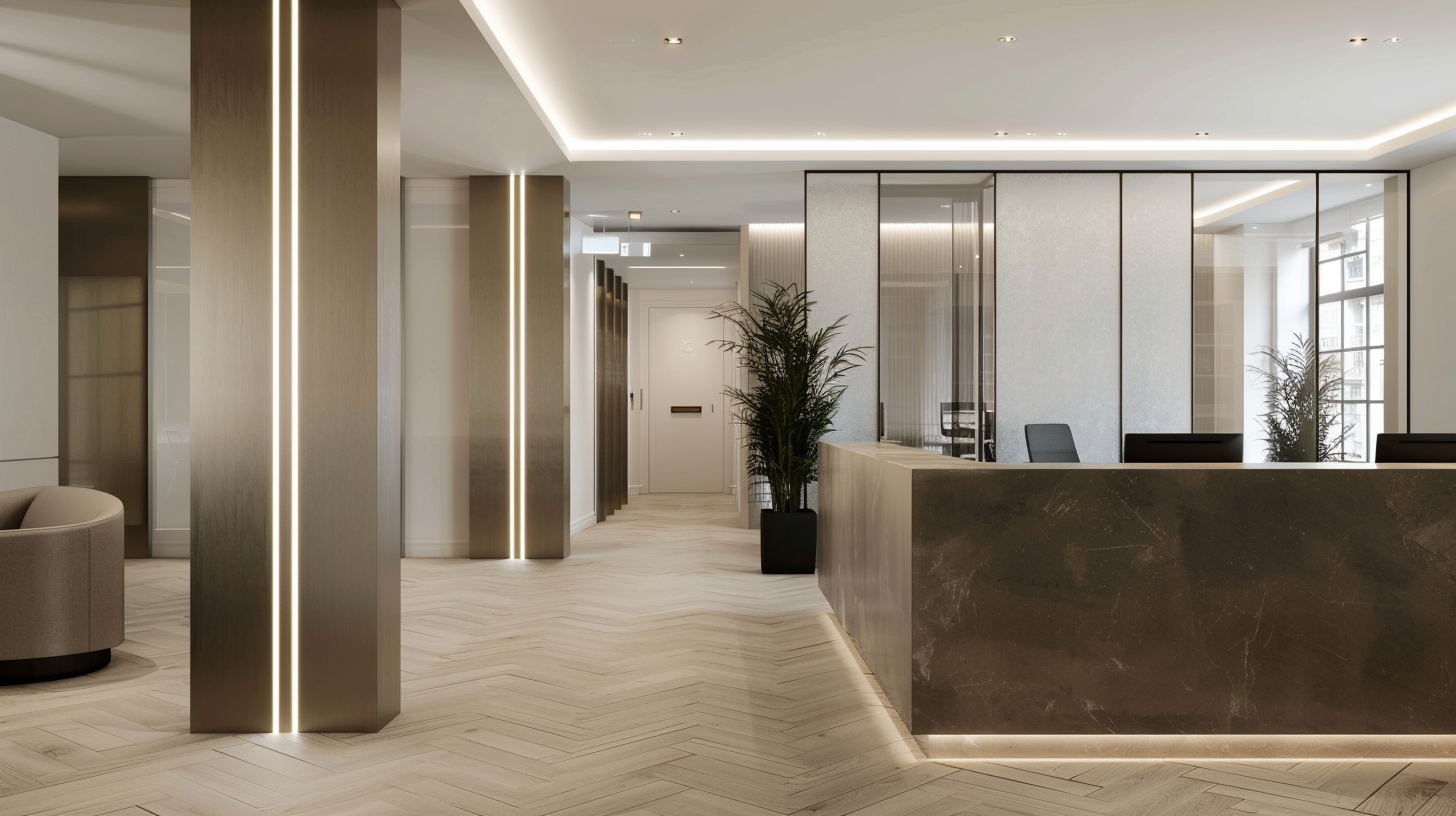
At Accanto Interiors, we have designed everything from Michelin-calibre restaurants to executive offices in Belgravia, luxury clinics to high-end retail boutiques. The single most consistent finding across all of them? Businesses that invest meaningfully in their physical environment perform better commercially than those that don’t – sometimes dramatically so.
Human beings are wired to form rapid environmental assessments. Evolutionary psychology tells us that our brains scan a new environment within milliseconds, categorising it as safe, trustworthy, and worthy of engagement – or not. Commercial interior design works with these instincts rather than against them.
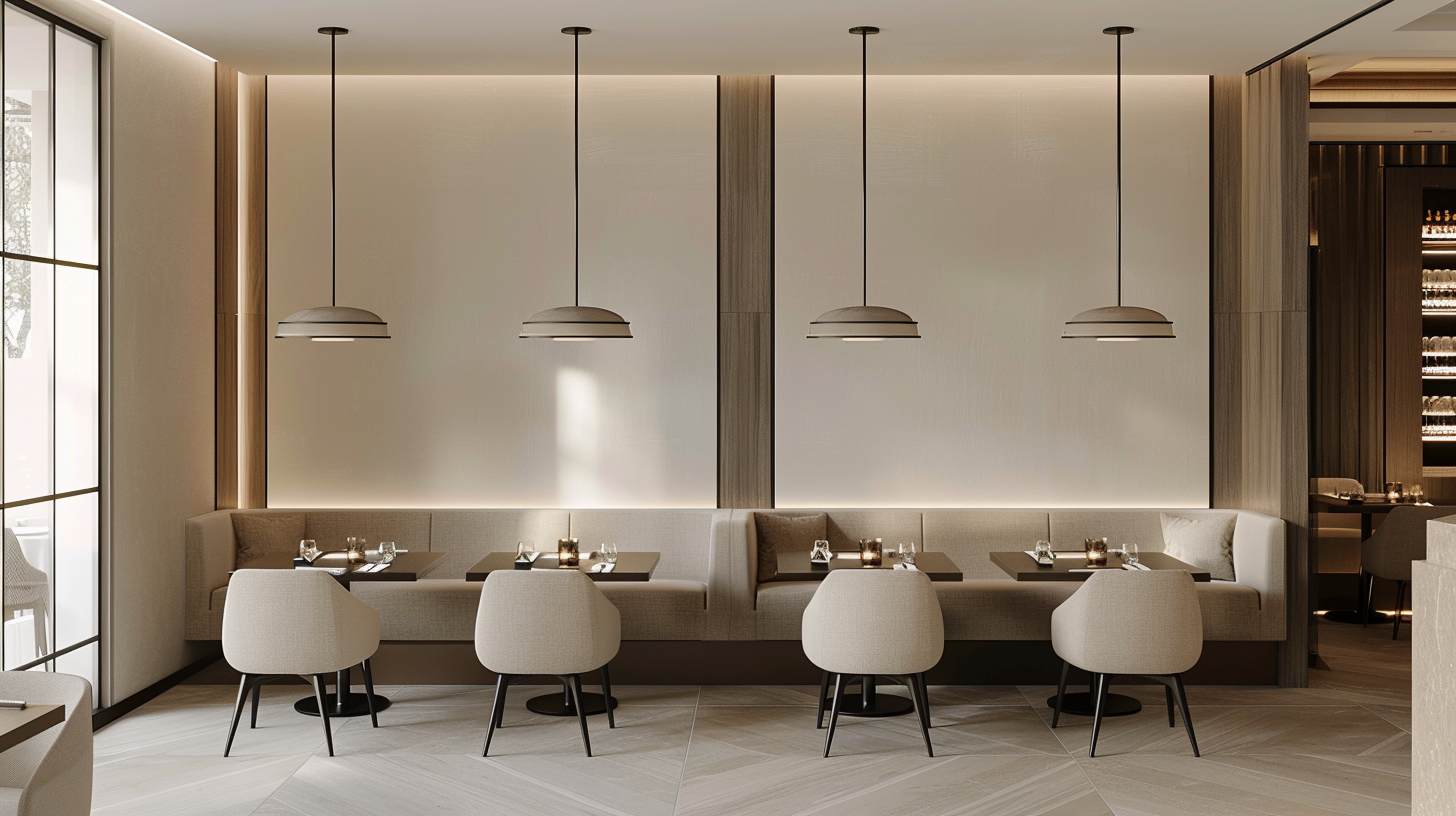
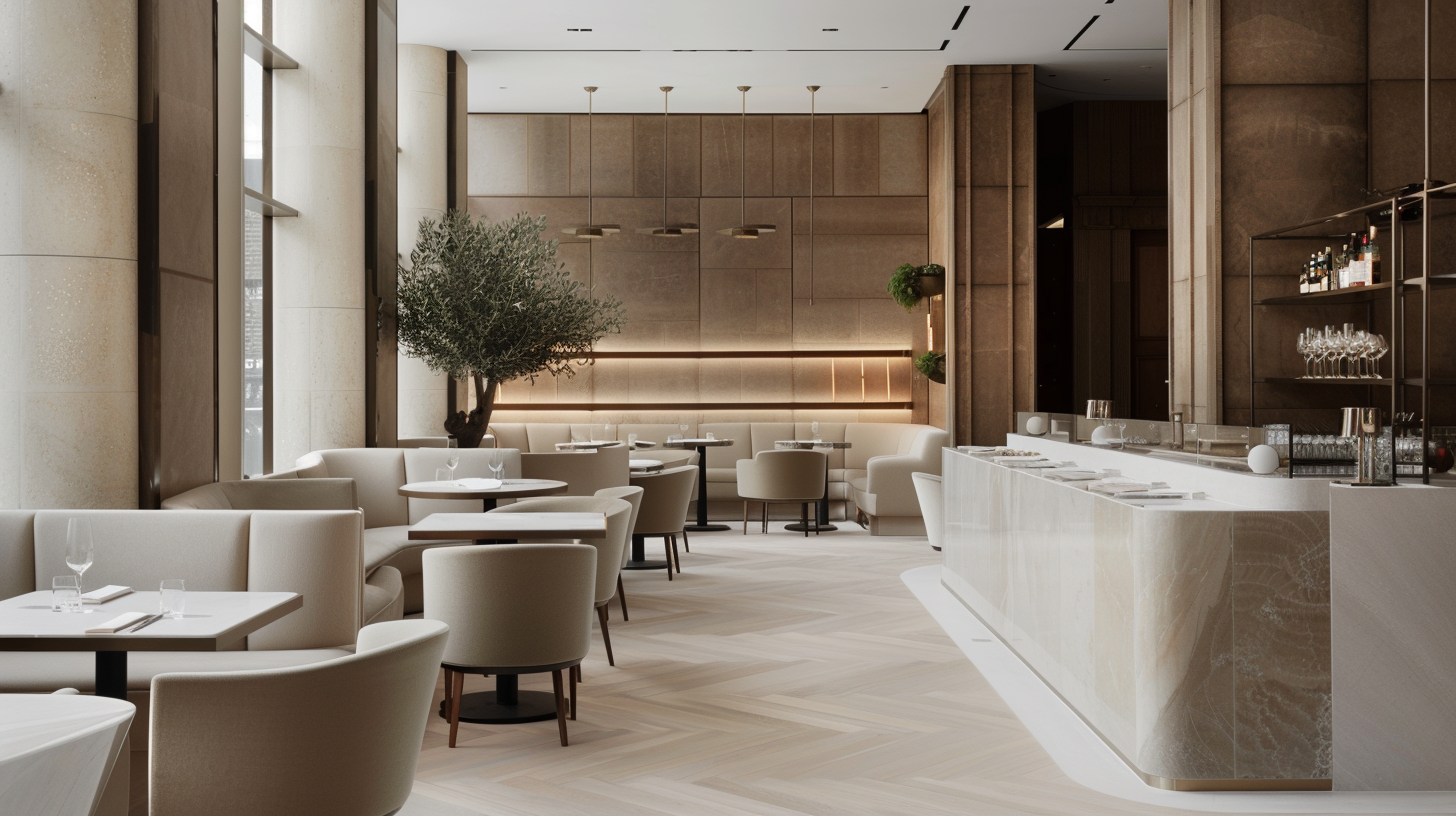
A well-designed restaurant, for example, doesn’t just look beautiful. It controls acoustics so conversation feels effortless. It uses lighting to make food look more appetising and guests look more attractive. It sequences the customer journey so that each moment — arrival, seating, ordering, eating, departing – feels curated and intentional. Every one of those design decisions affects how long guests stay, how much they spend, and whether they return.
The Revenue Connection: Design That Earns Its Keep
Let us look at this in concrete terms. Research across the hospitality sector consistently shows that ambiance is a primary driver of customer perception of value. Customers in beautifully designed restaurants consistently rate food higher, leave larger tips, and stay longer – all without any change to the food itself. The design is doing the selling.
In retail, the principle is equally powerful. Studies show that consumers spend more in environments that feel premium, whether or not the products themselves are priced differently. A well-designed retail floor – with considered sight lines, deliberate product staging, and materials that communicate quality – can increase conversion rates and average transaction value simultaneously.
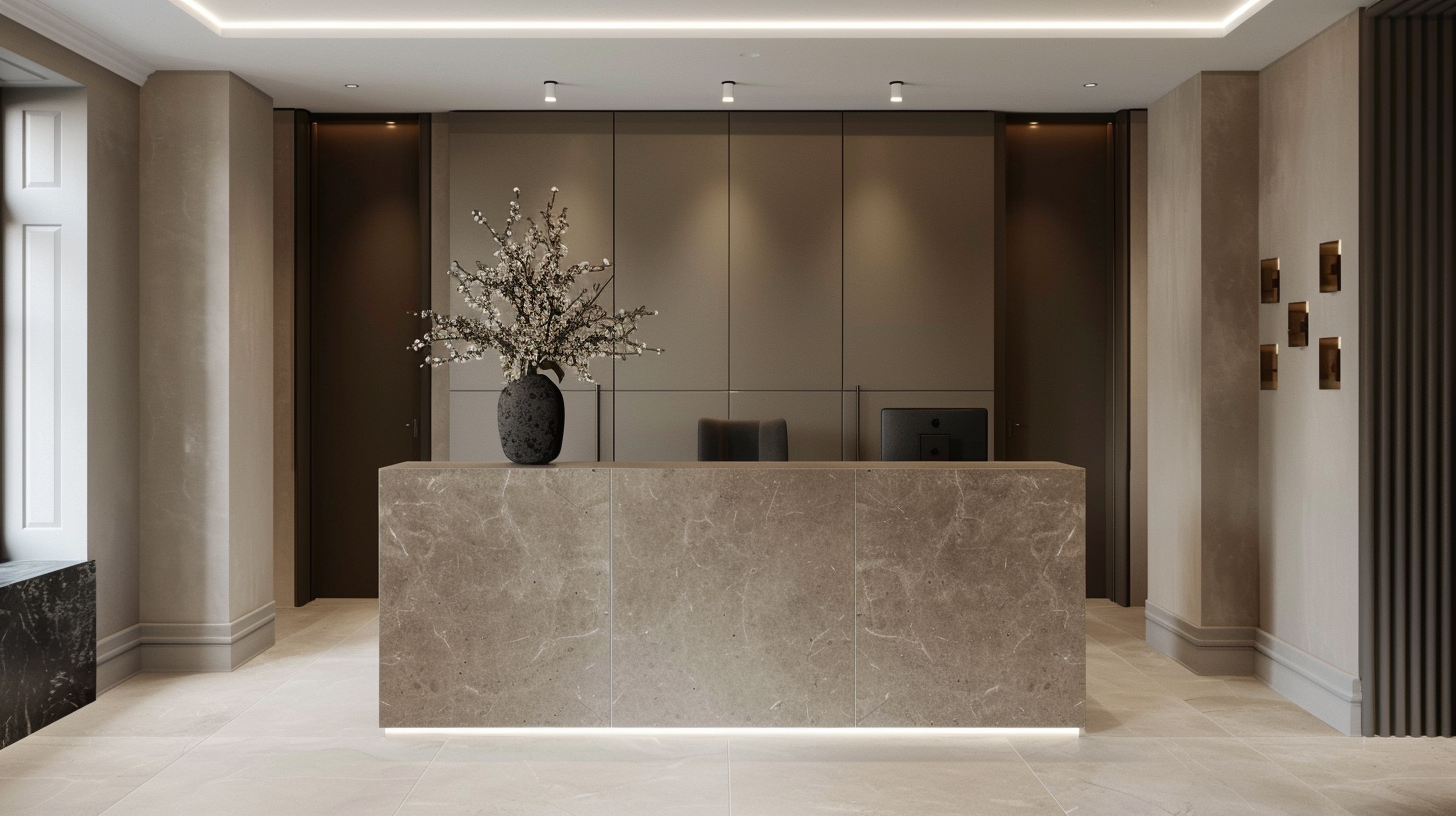
In professional services – law firms, financial advisors, private medical practices – the office environment is a direct proxy for perceived competence and trustworthiness. Clients make decisions about whether to trust you with their money, their health, or their legal matters within seconds of entering your space. Your fit-out is not décor. It is a credibility signal.
“We don’t just design interiors – we create experiences that inspire. A space should define success and communicate it before anyone opens their mouth”