
Texture is not decoration. It is the difference between a surface you glance at and a surface you remember.
Interior design trends 2026 – After nearly a decade of cold grey walls and all-white surfaces, the rooms people dream about have changed. In 2026, the most compelling residential interiors feel warm to the touch, personal in character, and rich with material intelligence. This is the era of Quiet Luxury with Tactile Soul.
A Cultural Shift, Not a Trend Cycle
Something has quietly shifted in how clients arrive at the design conversation. A year ago, they brought mood boards of restraint – expanses of pale stone, negative space celebrated as a virtue. Today they arrive wanting warmth, texture, and spaces that feel genuinely lived in, not staged for a flat-lay.
This is not maximalism with a rebrand. It is something more nuanced: a recalibration toward surfaces that reward closeness, palettes drawn from the earth rather than the sky, and furniture chosen to endure decades rather than seasons.
Why Minimalism’s Reign is Over
Minimalism was never really about simplicity – it was about anxiety. An anxious relationship with clutter, colour, and the messy evidence of a life actually being lived. After nearly a decade of all-white kitchens and wall-less open plans, the backlash has arrived. Designers across London and Europe are reporting near-unanimous agreement: the clinical look no longer connects with how people want to feel inside their homes.
The shift is emotional as much as aesthetic. After years of global disruption, people want their homes to feel like genuine shelter – enveloping, personal, rooted. That desire is what is driving the most important interior design movement of 2026.
The Six Pillars of the New Residential Aesthetic
Warm Neutrals Replace Cold Whites
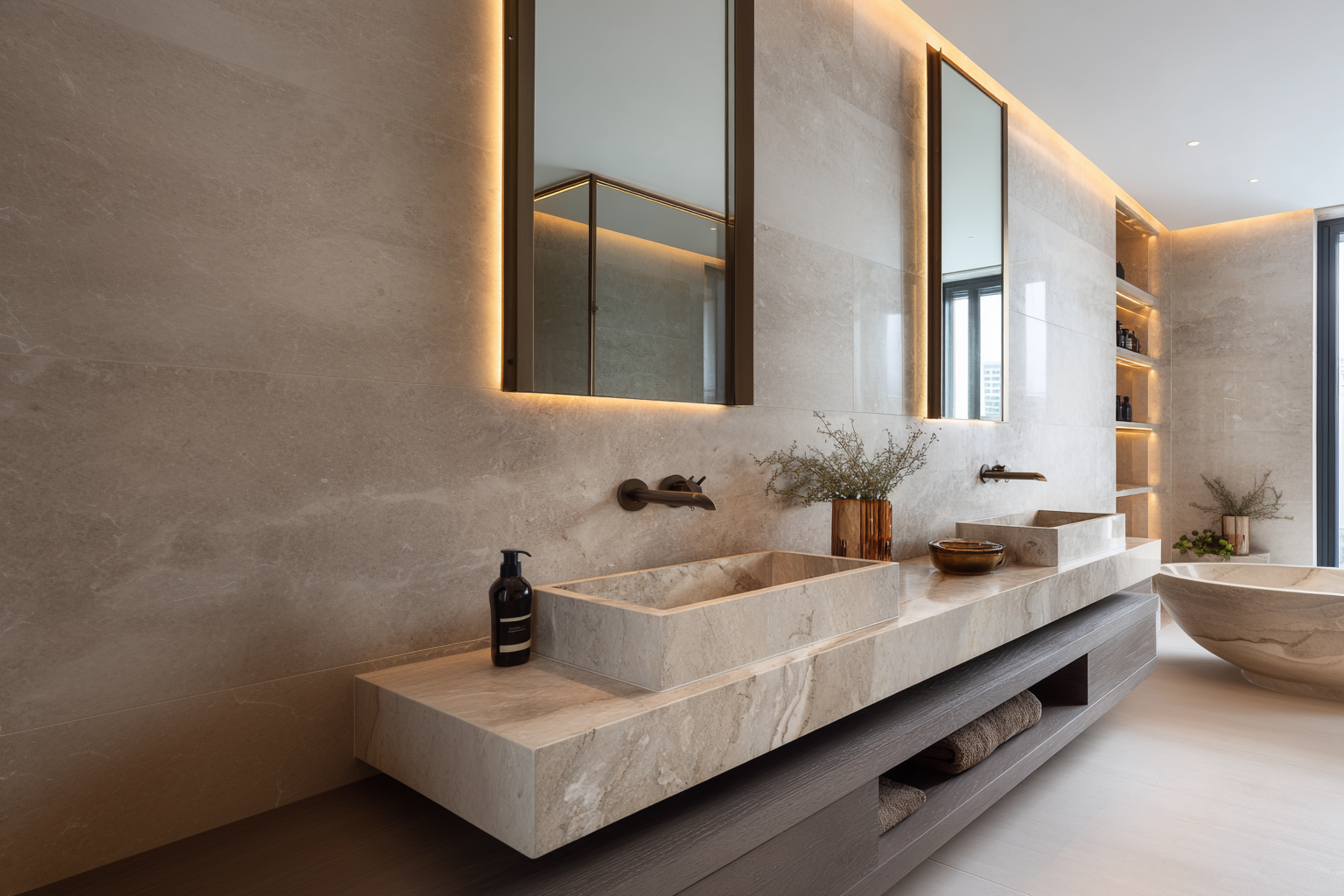
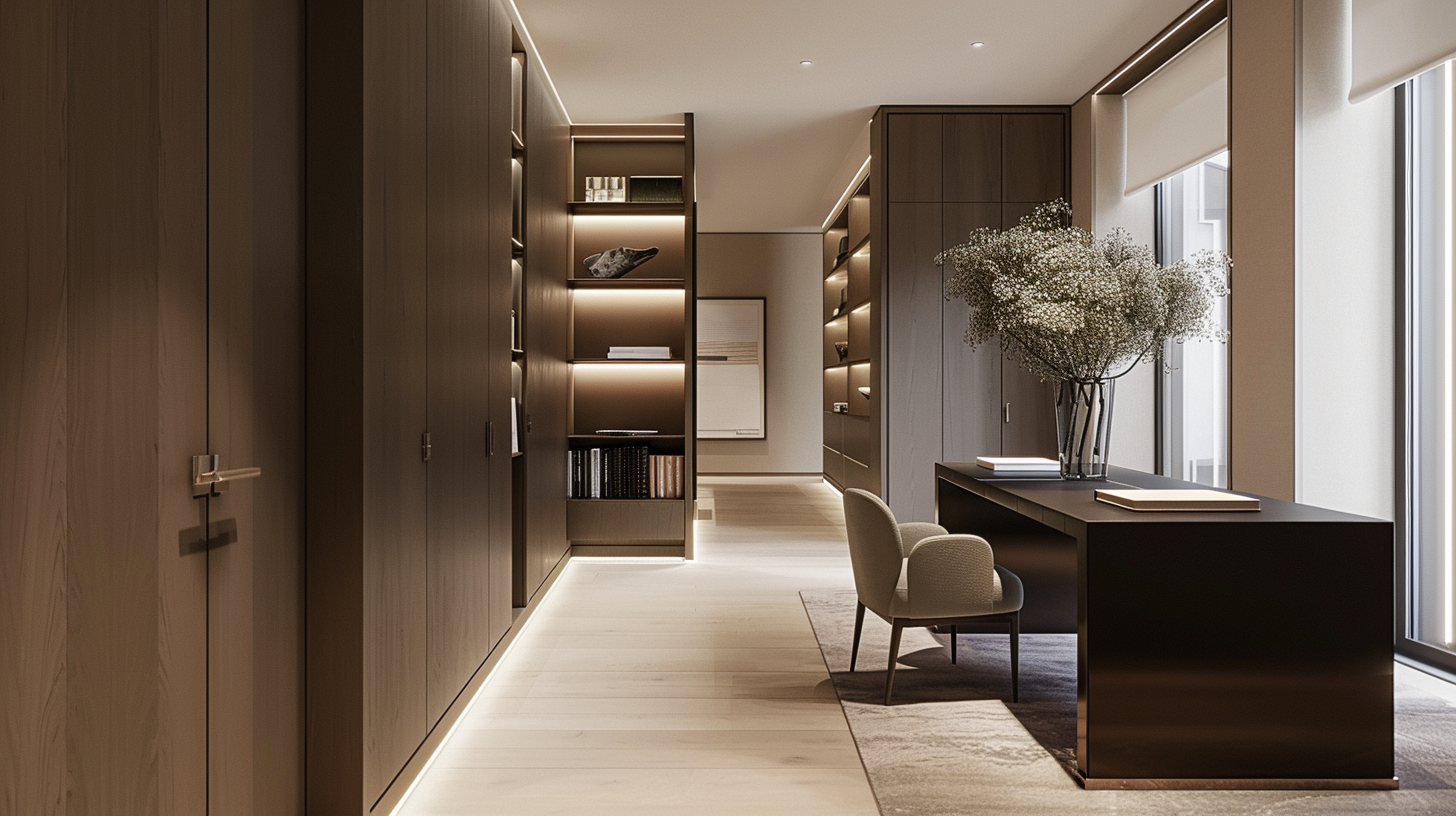
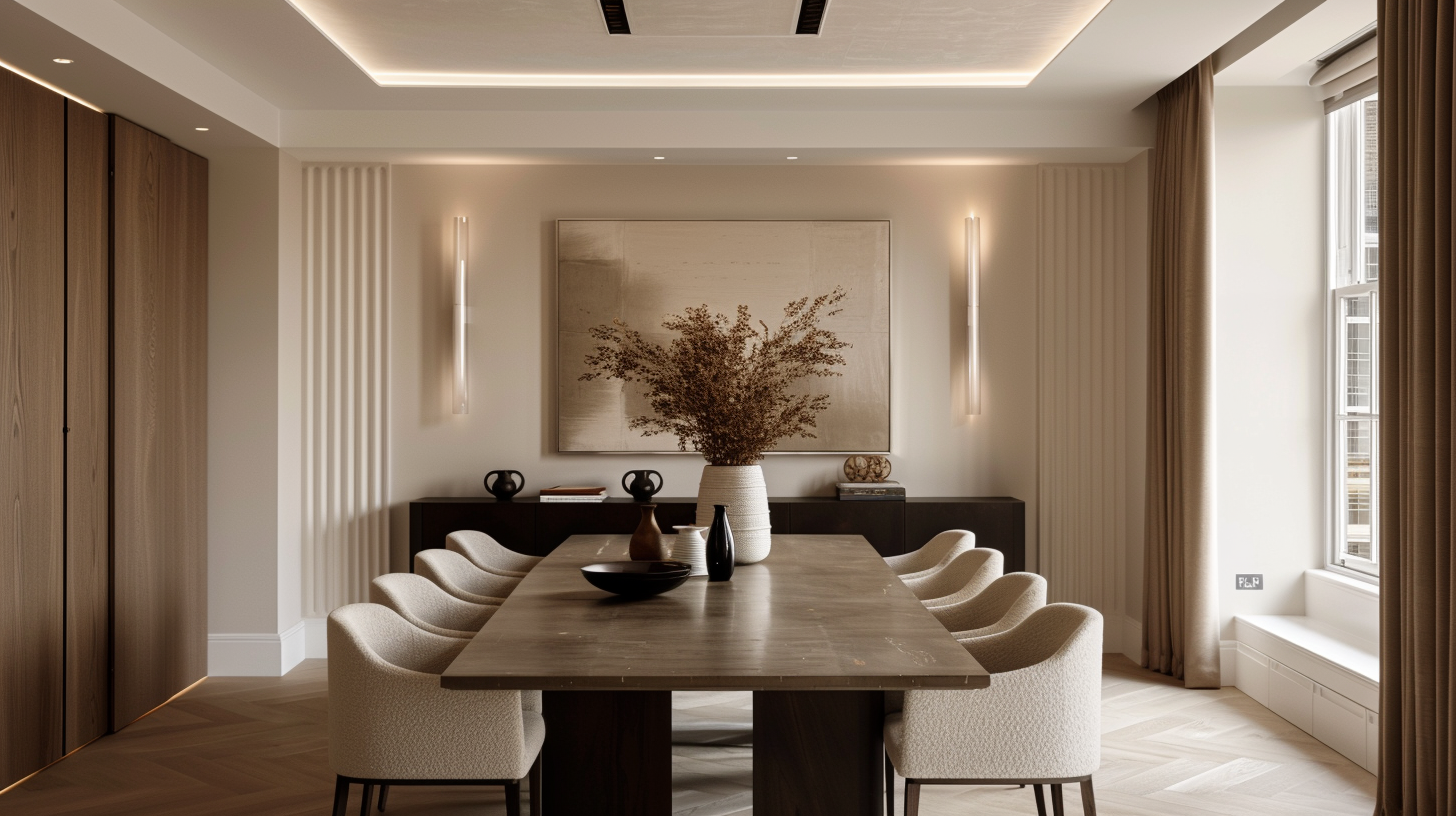
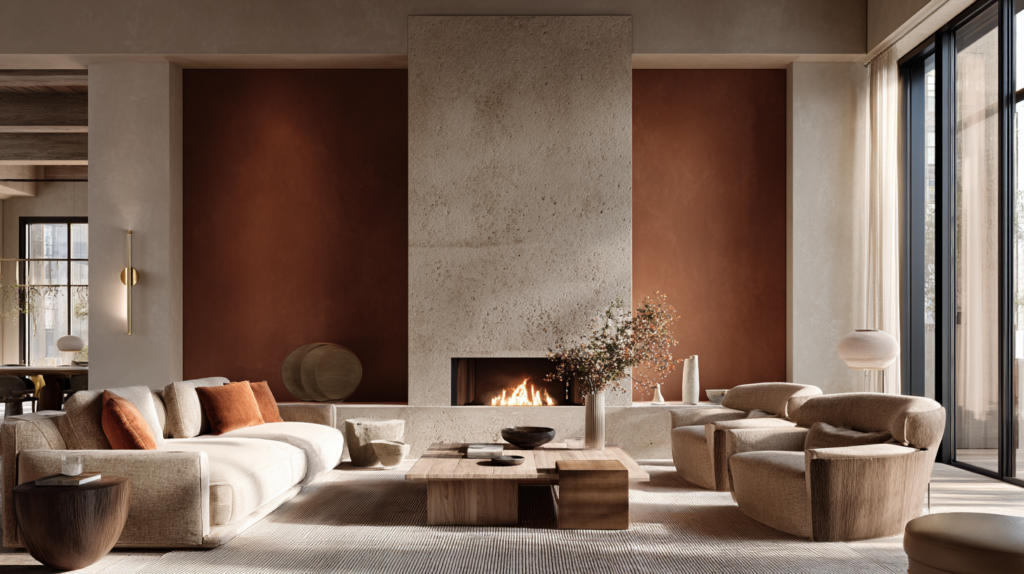
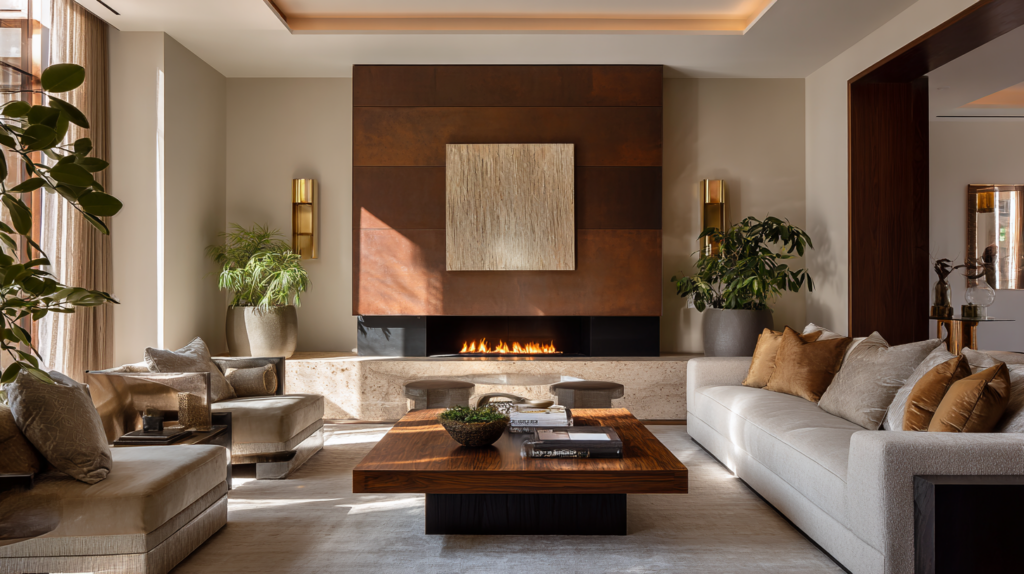
Terracotta, warm taupe, caramel, and ochre are the new base palette. These tones create rooms that feel grounded and inviting rather than clinical. Walnut wood, brushed brass, and warm-toned stone replace chrome and high-gloss monochrome. Grey walls, designers say nearly in unison, are finished.
Texture as Architecture
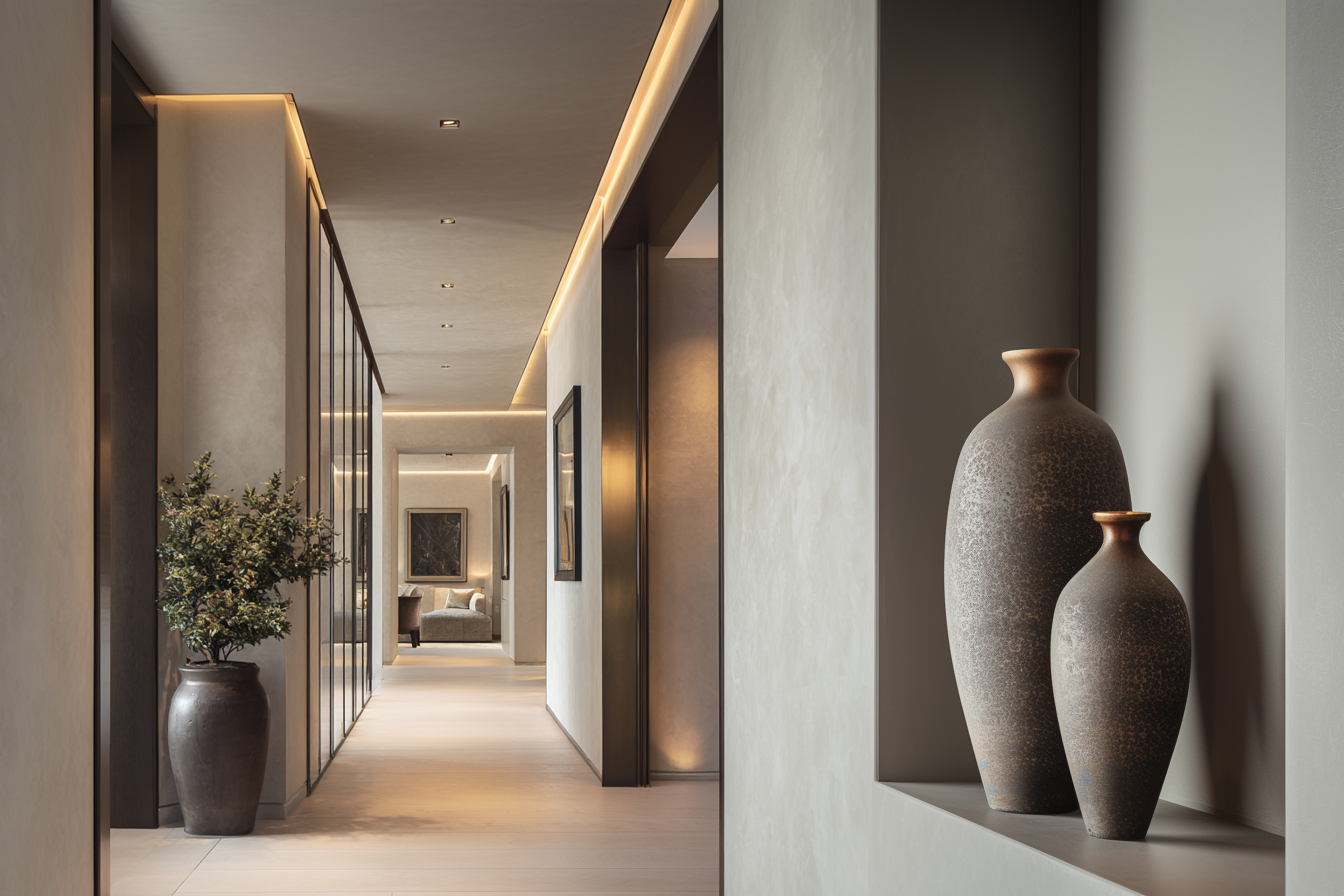
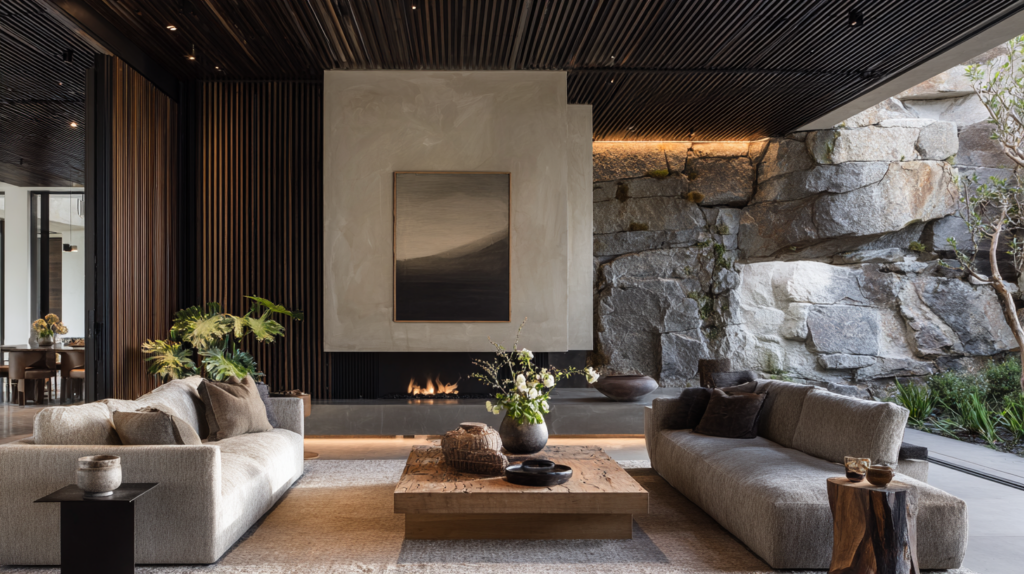
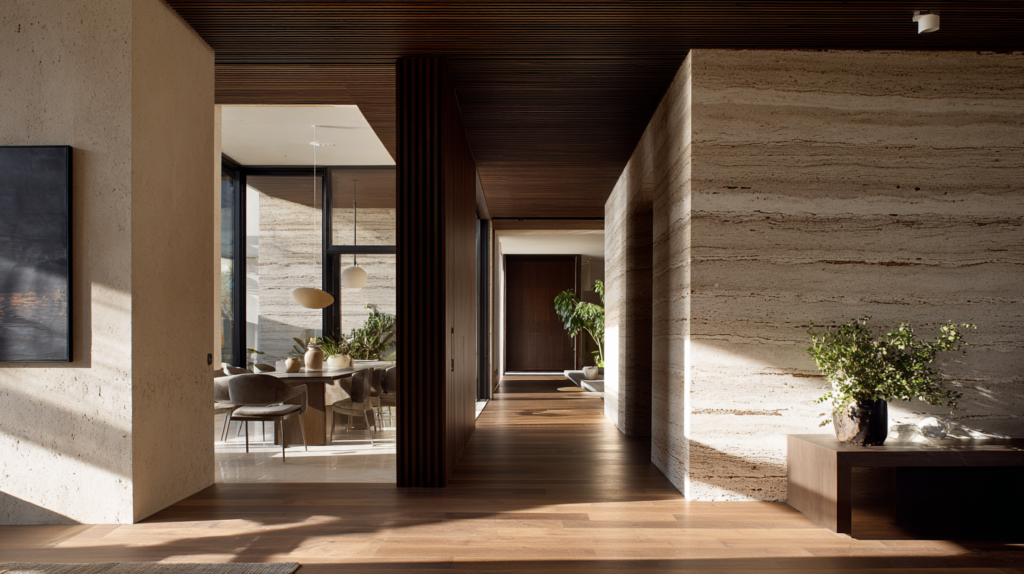
Limewashed walls, reeded timber panels, decorative plasterwork, and ribbed stone are transforming interiors that once relied on flat painted drywall. Texture is no longer an accent – it is the architecture itself, giving rooms depth, shadow, and handcrafted character.
Biophilic Design Goes Structural
Indoor plants on a window ledge no longer constitute biophilic design in a serious residential project. In 2026, the connection to nature is built into the structure: exposed timber beams, travertine and raw limestone surfaces, oversized skylights, and integrated greenery that forms part of the spatial plan.
Modern Heritage – Past Meets Present
Classic architectural details – mouldings, inset cabinetry, traditional millwork – are set against contemporary materials and updated colour palettes. The result is a home that tells a story across time, rather than declaring its renovation date.
Bespoke as the Only Luxury
The most discerning clients are pulling back from furniture that can be identified from a catalogue page. Sculptural, handcrafted pieces with visible material intelligence – carved woods, hand-thrown ceramics, expressive burl veneers – are replacing the aspirational but anonymous.
Curvature Over Hard Lines
Rounded sofas, arched doorways, oval dining tables, and sculptural forms with gentle sweeping silhouettes are defining the 2026 residential interior. The curve communicates comfort, softens space, and in the hands of a skilled designer transforms a room’s entire emotional register.
What This Means in Practice
Clients beginning a residential project this year should think in three layers. The first is the material foundation: which stone, timber, plaster finish, and metal will form the tactile vocabulary of the home? This decision sets the emotional tone more powerfully than any paint colour.
The second is the curated layer – furniture, lighting, and joinery pieces chosen for longevity of design and quality of craft. The third, and most personal, is the storytelling layer: art, objects, textiles, and details that are genuinely connected to the people who live there.
A home that feels like a stage set – perfect, controlled, emptied of personality – is a home that nobody truly inhabits.
Frequently Asked Questions: We answer the questions clients ask us most when exploring this new direction in residential design.
Accanto Interiors is an award-winning international design studio based in London, specialising in premium residential and commercial interiors for clients worldwide. With a signature approach built on ultra-modern sculptural lines, contemporary natural materials, and a quiet luxury palette layered in warm neutrals, we create spaces that balance form, function, and deeply personal meaning.
From initial concept through to final styling, our team manages complete design and build solutions – ensuring smooth execution, quality craftsmanship, and thoughtful detailing that stands the test of time.
hello@accantointeriors.com